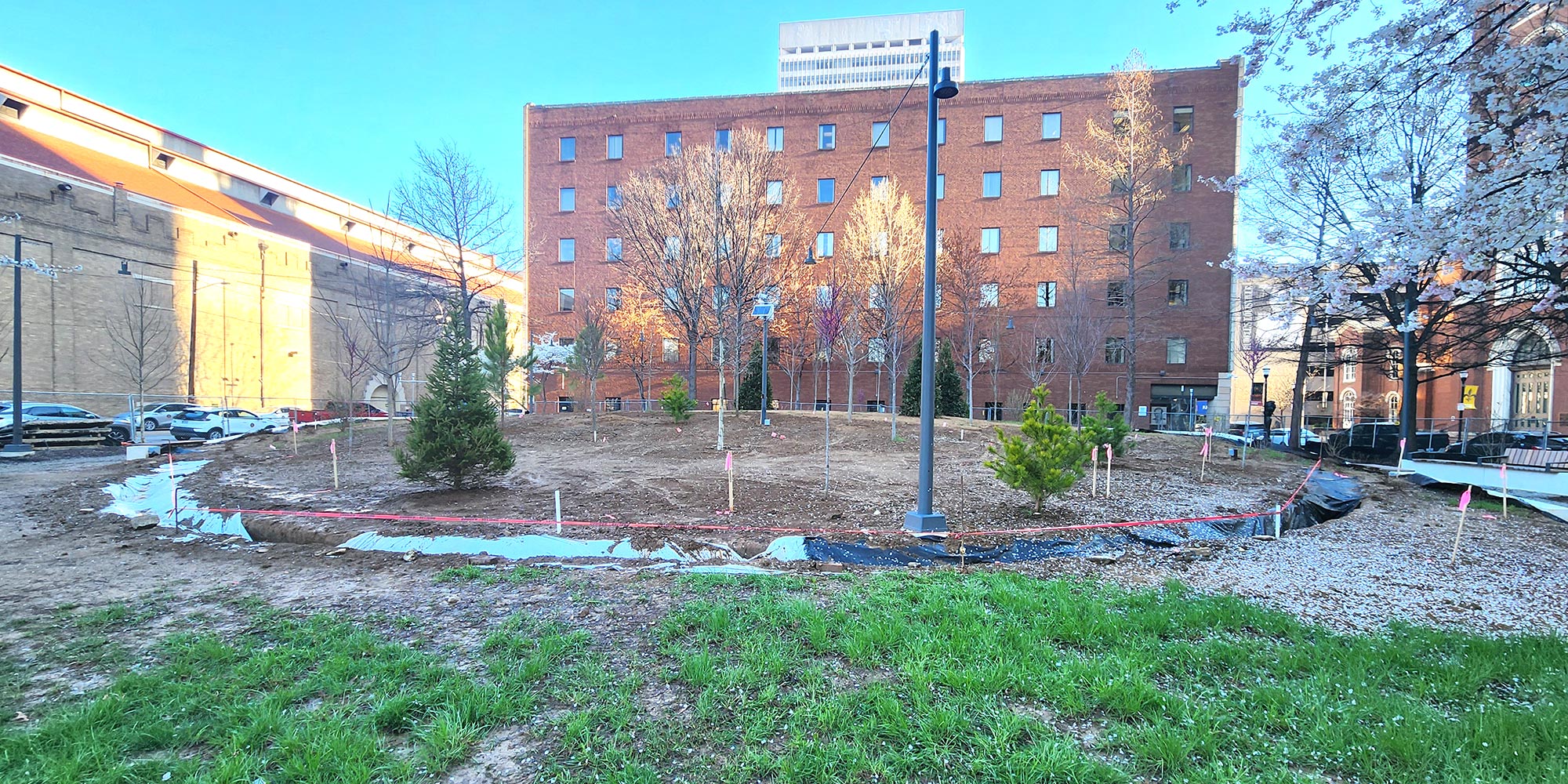
Over the past several months, the Urban Design Studio has been working with our colleagues at the Envirome Institute and researchers across the University of Louisville on a scientific paper covering the methodology behind the Trager MicroForest Project. The greening intervention and the methodology behind it was eventually dubbed the “Green Oasis” (GRO) Project. We are pleased to say it has now been published in the International Journal for Environmental Research and Public Health (IJERPH) as a protocol.
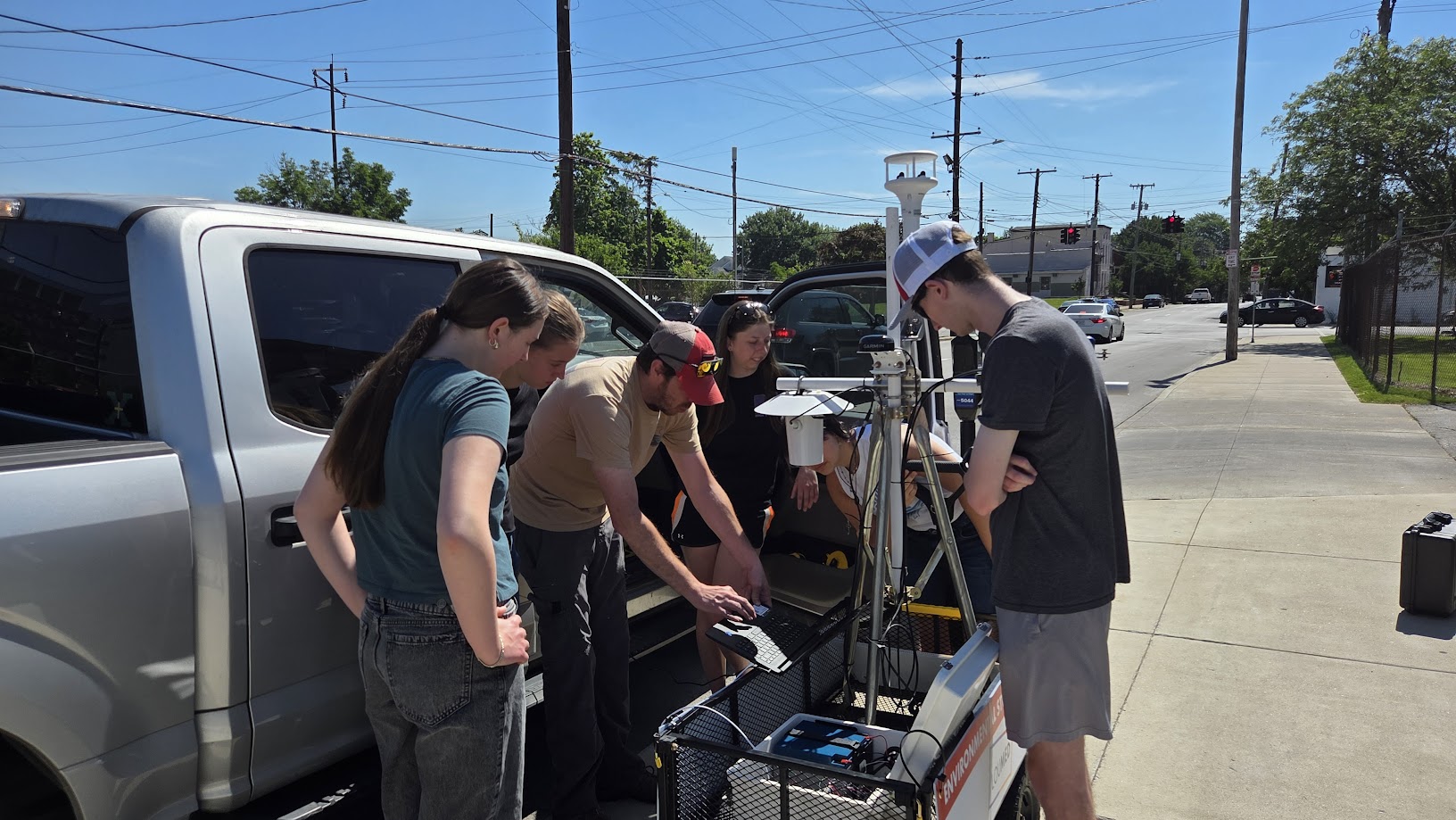
The paper has multiple sections that go over the different kinds of scientific research being conducted on the site. This includes the first three waves of clinical trials, microclimate measurements, LiDAR scanning, and a variety of biological assessments. It also provides a framework for future analysis and discusses the implications and limitations of our research. The full abstract can be found below, along with a link to the article:
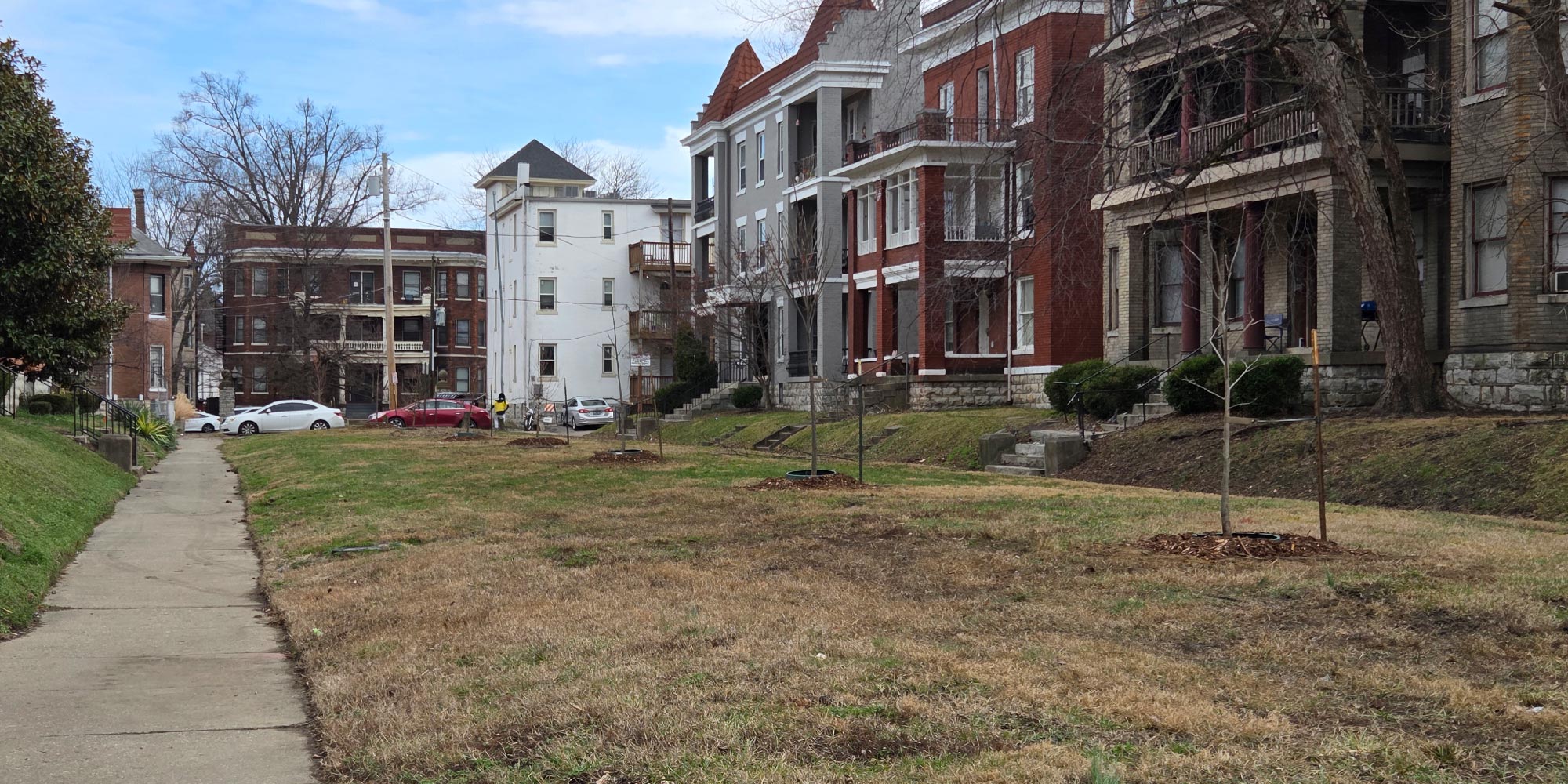
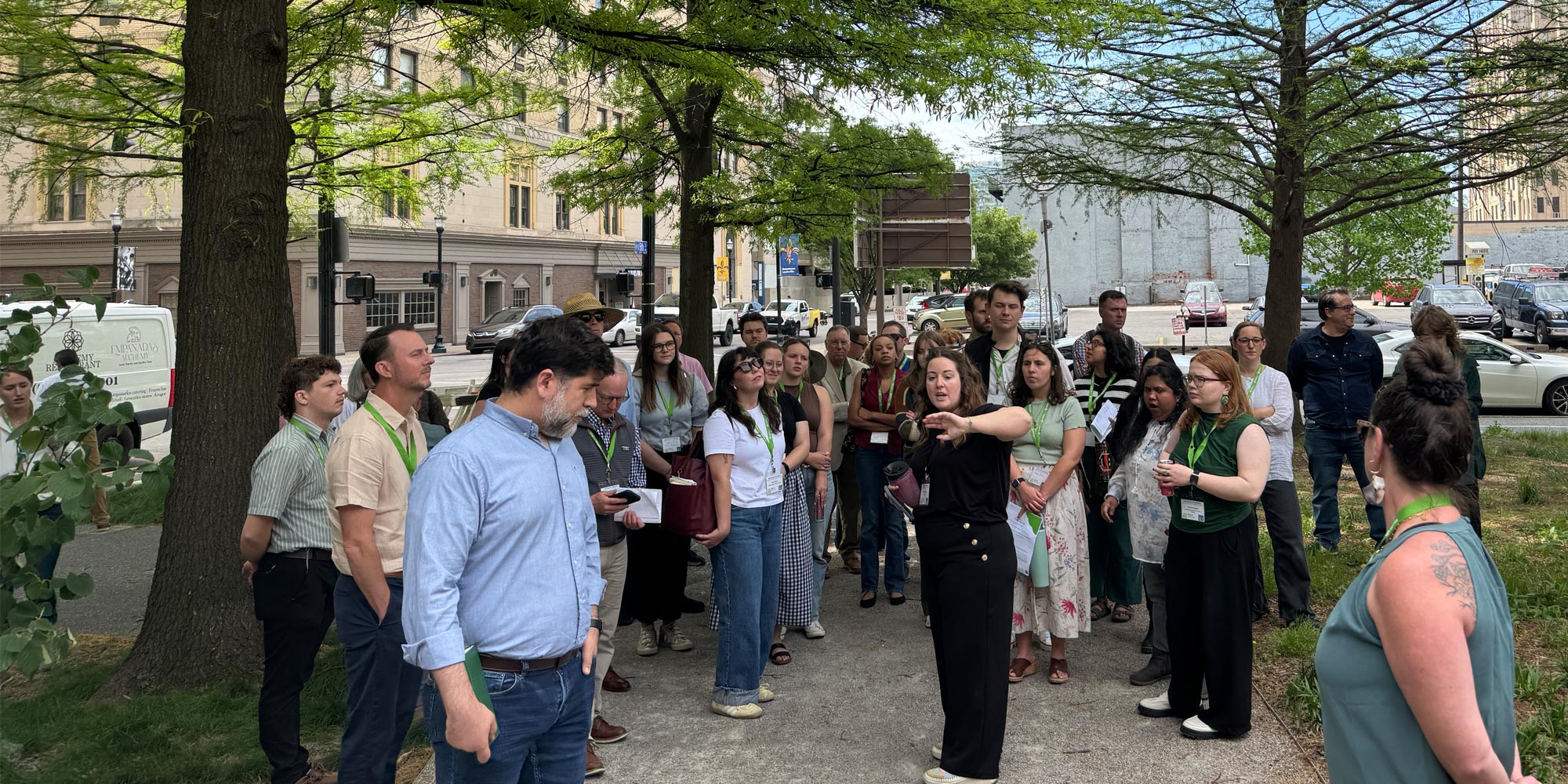
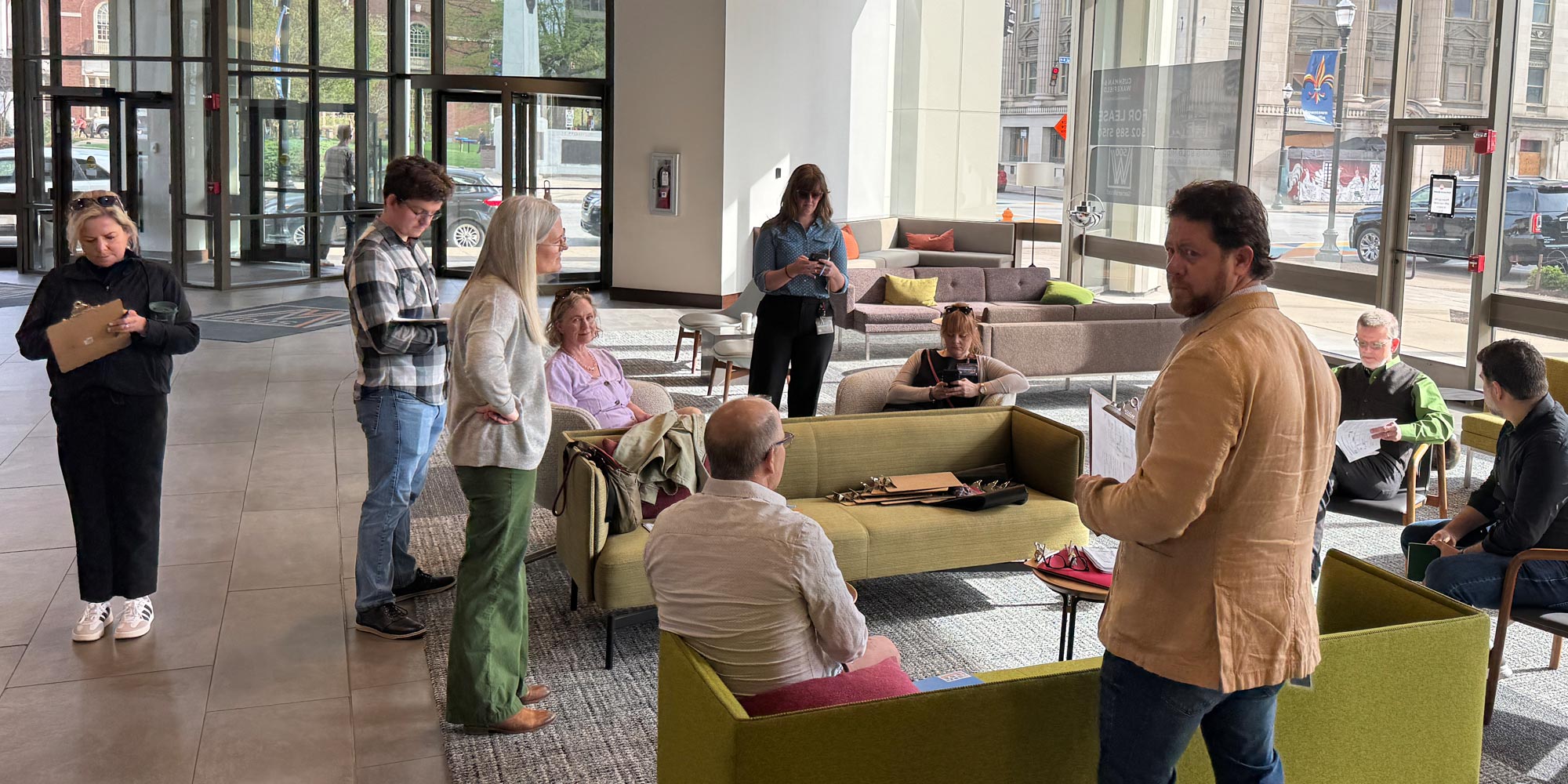
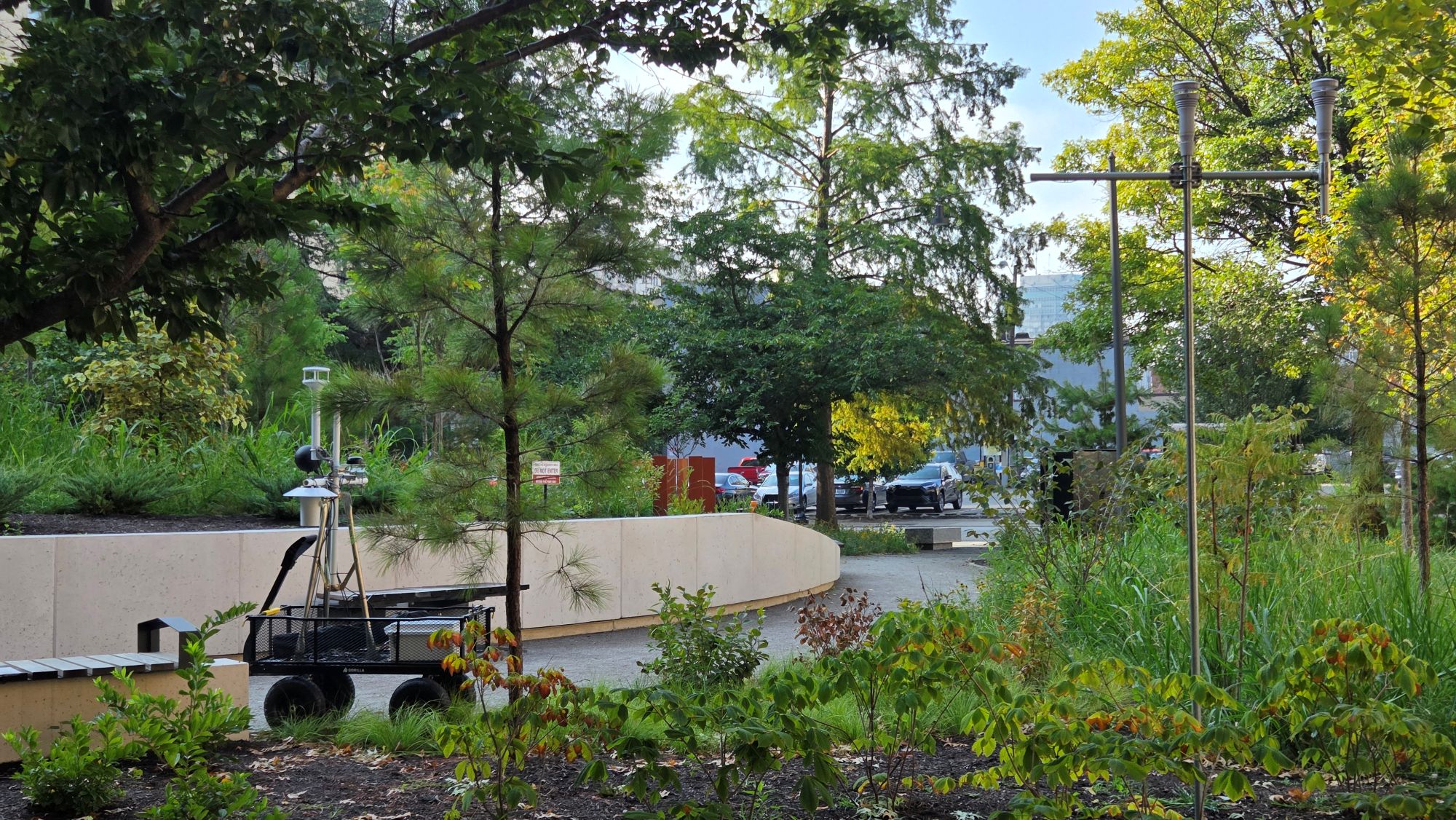
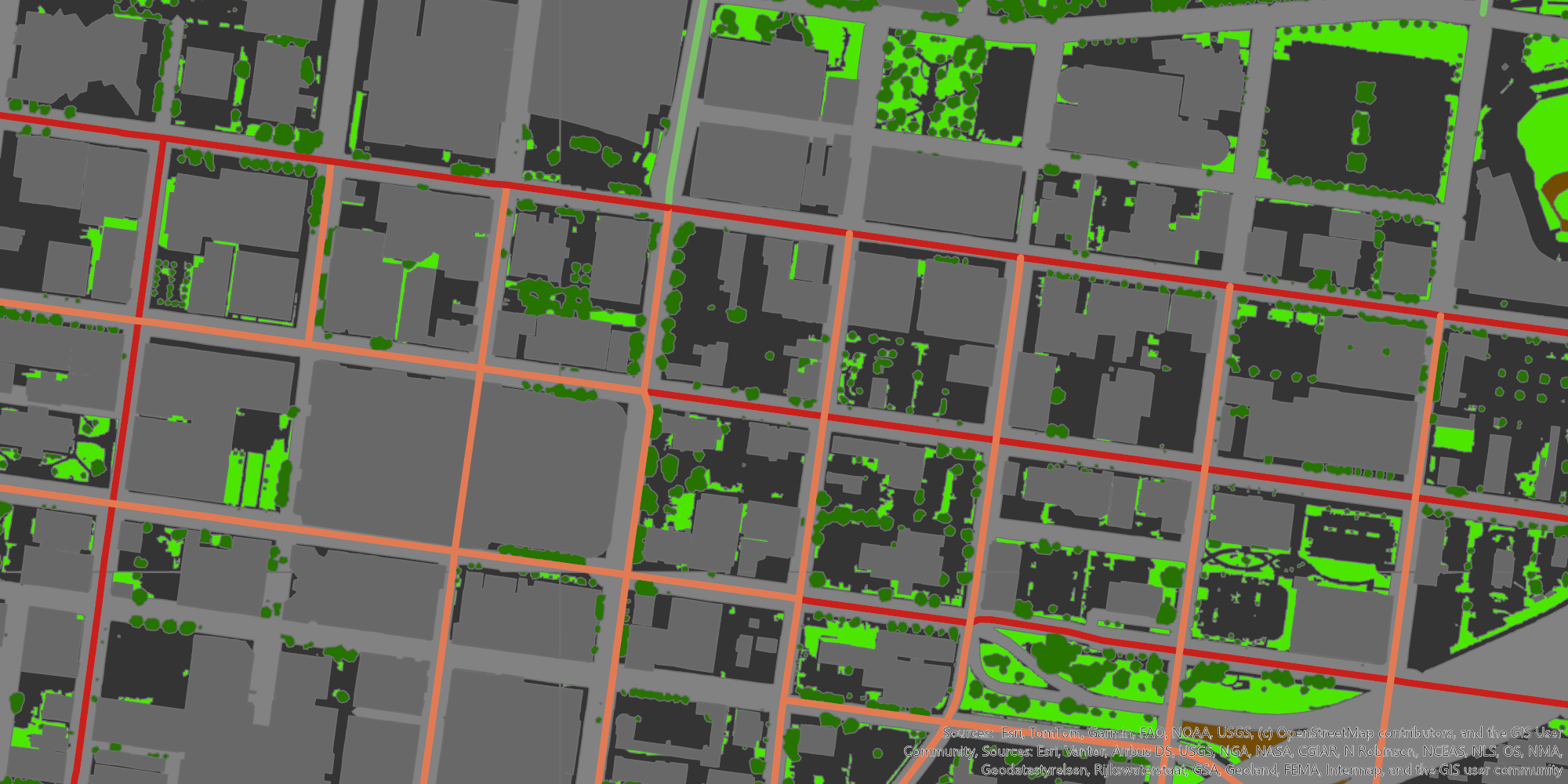
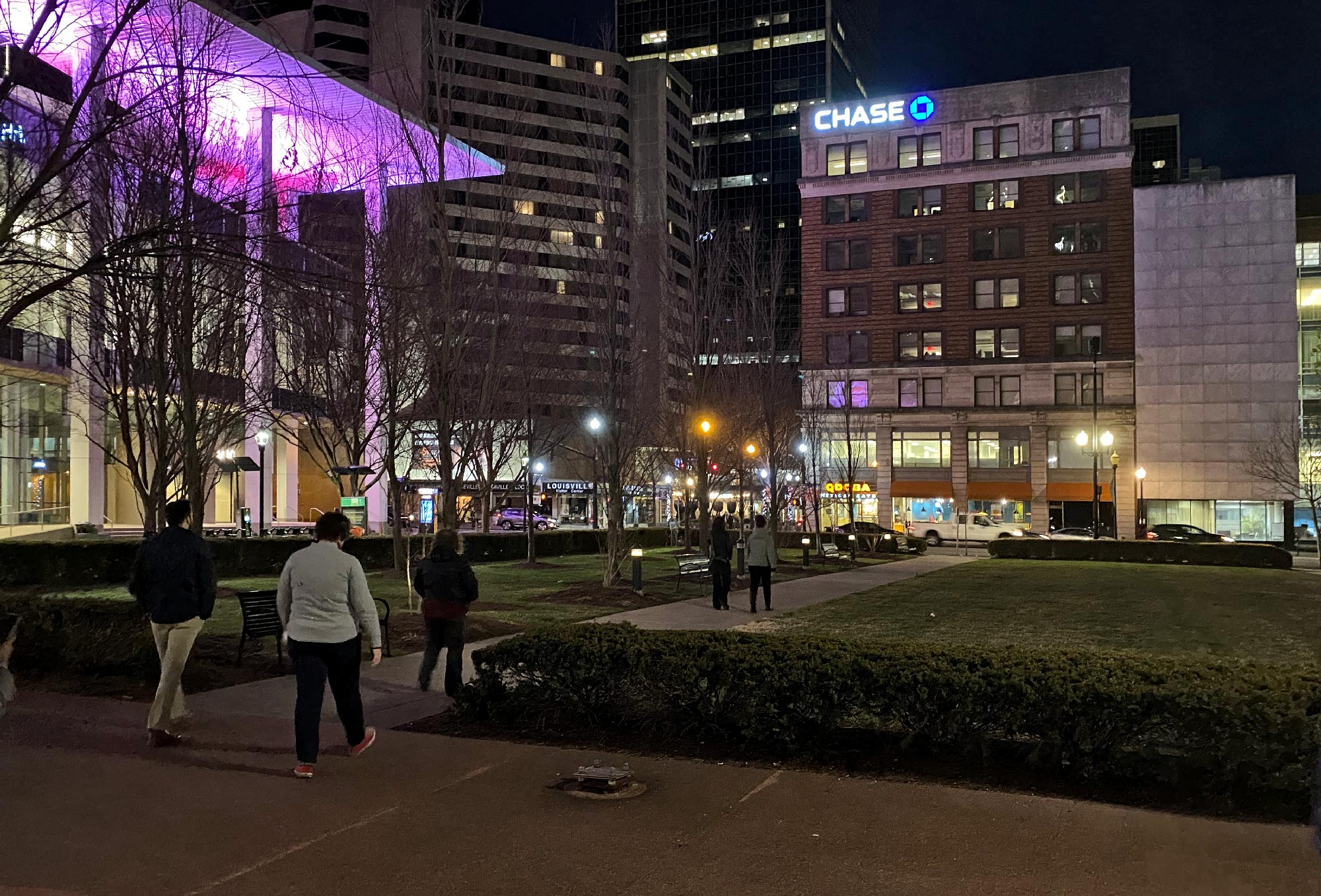
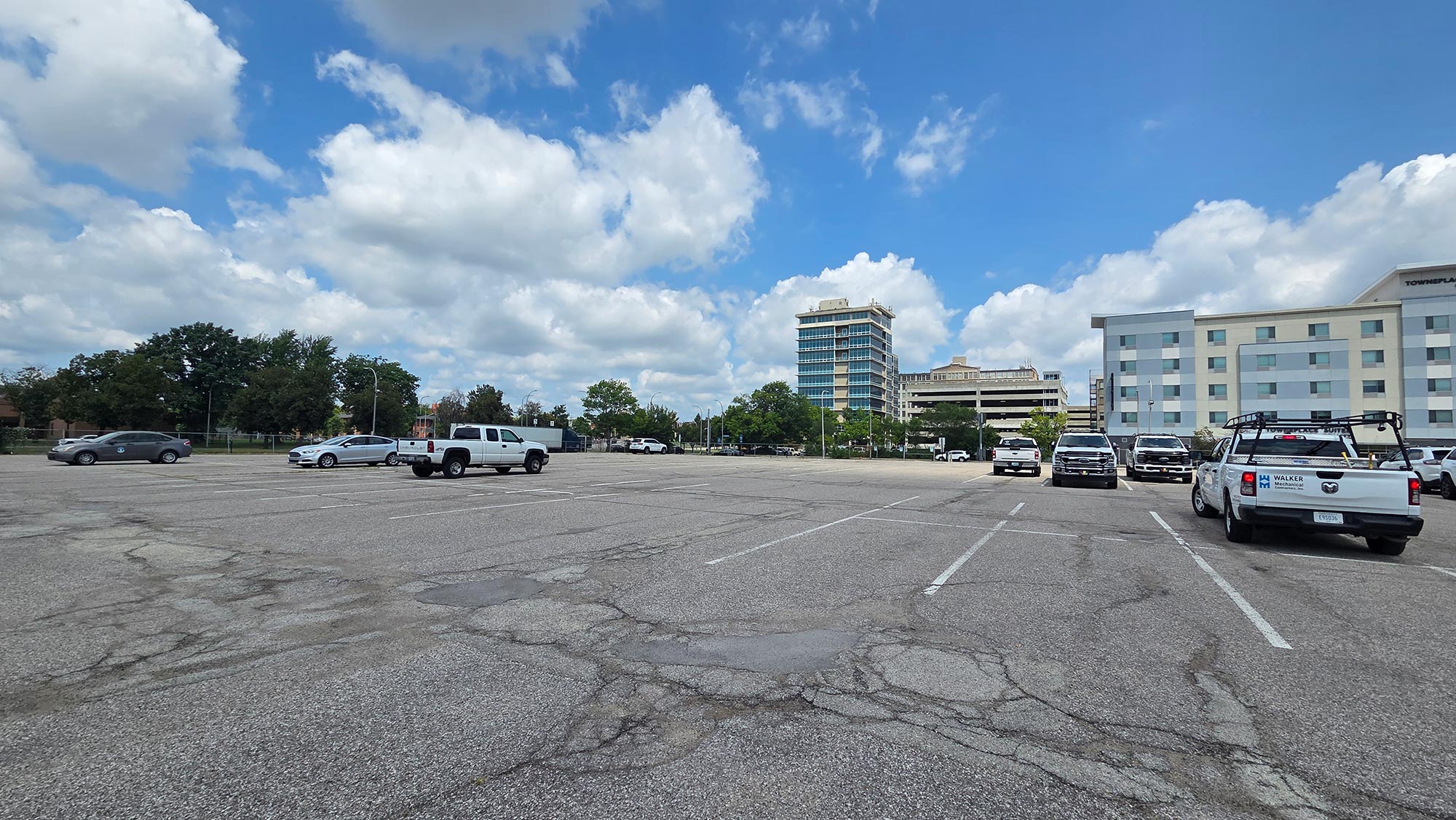
The Green Oasis (GRO) Project is a targeted urban greening intervention designed to evaluate the environmental and health impacts of compact, high-density plantings in dense built environments. Initiated in downtown Louisville, the project transformed Founders Square, a 0.64-acre sparsely planted park, into a microforest (“Trager Microforest”), a multilayered planting of 119 trees and more than 200 shrubs. The impact of this intervention is being assessed through a randomized crossover study in which participants walk in the microforest and a nearby impervious parking lot. Physiological outcomes include heart rate, heart rate variability, arterial stiffness, and stress biomarkers measured in saliva, urine, and sweat. Environmental conditions are continuously monitored by fixed and mobile weather stations, air pollution sensors, and biodiversity surveys. Baseline assessments were conducted in 2023 and 2024, with post-planting evaluations now underway (2025–). Power calculations indicate adequate sensitivity (n ≈ 40–50) to detect changes in cardiovascular stress responses in participants. Complementary ecological measurements include soil microbiome composition, greenhouse gas fluxes, and avian diversity. This study addresses critical gaps in understanding how small-scale, high-density greening interventions affect cardiovascular resilience, stress physiology, and microclimatic regulation. By integrating environmental, biological, and human health data, GRO establishes a comprehensive framework for evaluating the efficacy of urban microforests as nature-based solutions. The results are expected to inform urban planning, public health strategies, and climate adaptation policies, demonstrating how compact greening interventions can simultaneously mitigate heat, reduce pollution, enhance biodiversity, and promote human wellbeing in dense urban cores.


.png)